If you have ever sat in a meeting with a retailer, merchant, or agency partner and heard a sentence like, “We need to update the PIP before the PLR so the QP can land on the sidecap”, you are not alone.
Home improvement retail is full of shorthand. Merchants, marketers, packaging teams and store associates rely on acronyms to move quickly through complex conversations. For those inside the industry, it becomes second nature. For anyone new to the space, it can feel like learning a completely different language.
So, in the spirit of IYKYK, here is a quick guide to 10 of the most common retail marketing acronyms and merchandising terms used across The Home Depot, Lowe’s and other home improvement retailers.
1. PIP or PDP: Product Information Page/Product Detail Page
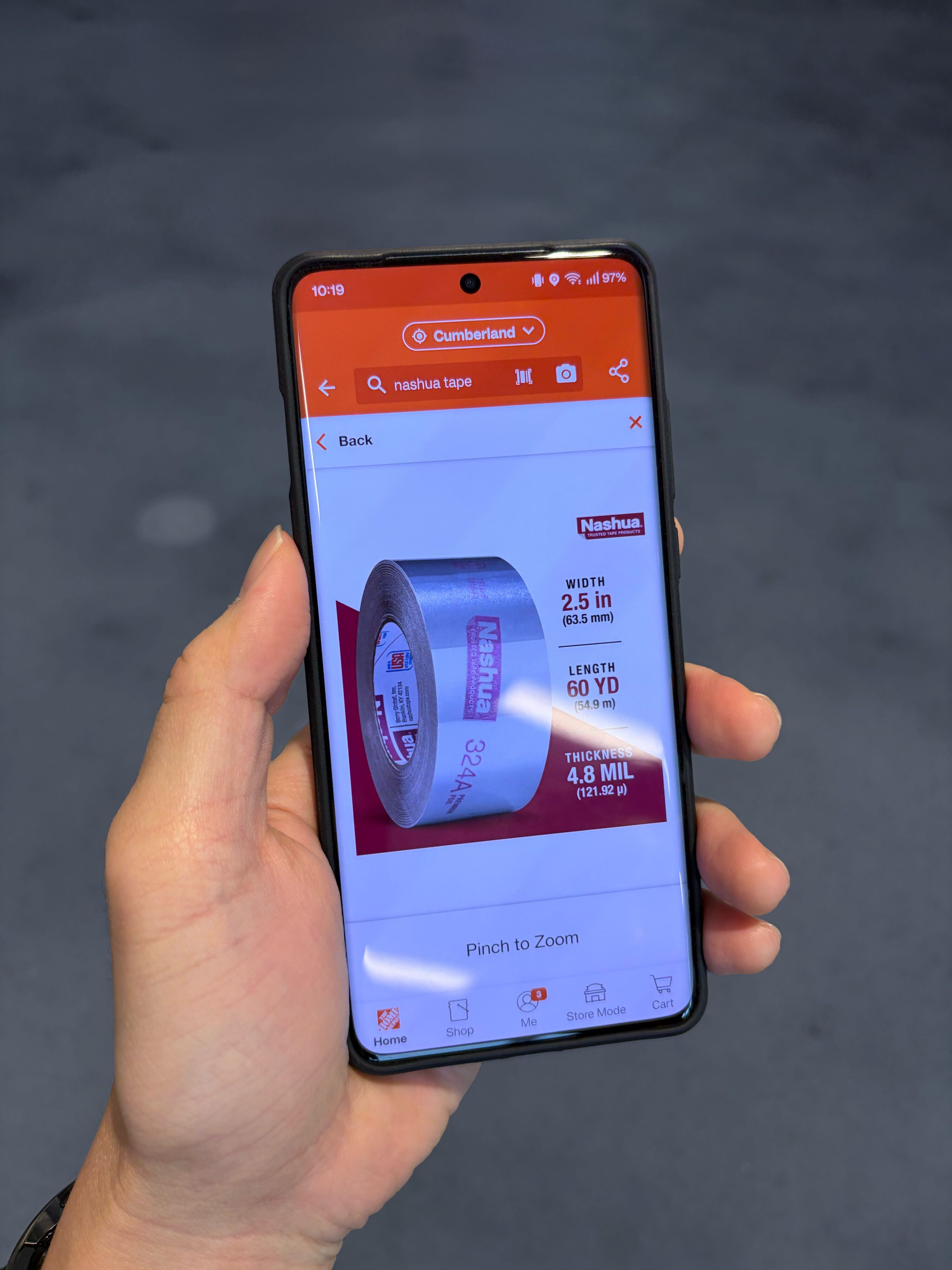
This is the digital shelf version of your product. A PIP or PDP is the web page where shoppers review images, specs, installation instructions and reviews before making a purchase. In home improvement retail, this page often does the heavy lifting for the buying decision. Shoppers compare options, check compatibility, and confirm the product will solve their project before heading to the store or clicking to buy.
If your PIP is outdated or incomplete, you are losing sales before the customer even reaches the aisle. That is why many brands are investing in stronger digital shelf strategies. In our article Digital Shelf Optimization for Home Improvement Brands, we explore how improved product pages can increase visibility, conversion and customer confidence.
Keeping these pages updated also matters because retailers frequently update their content standards. In our recent guide 5 Ways to Refresh Your Product Information Pages (PIPs), we outline practical ways brands can improve imagery, specs, search language and conversion tools on their PIPs.
2. PLR: Product Line Review
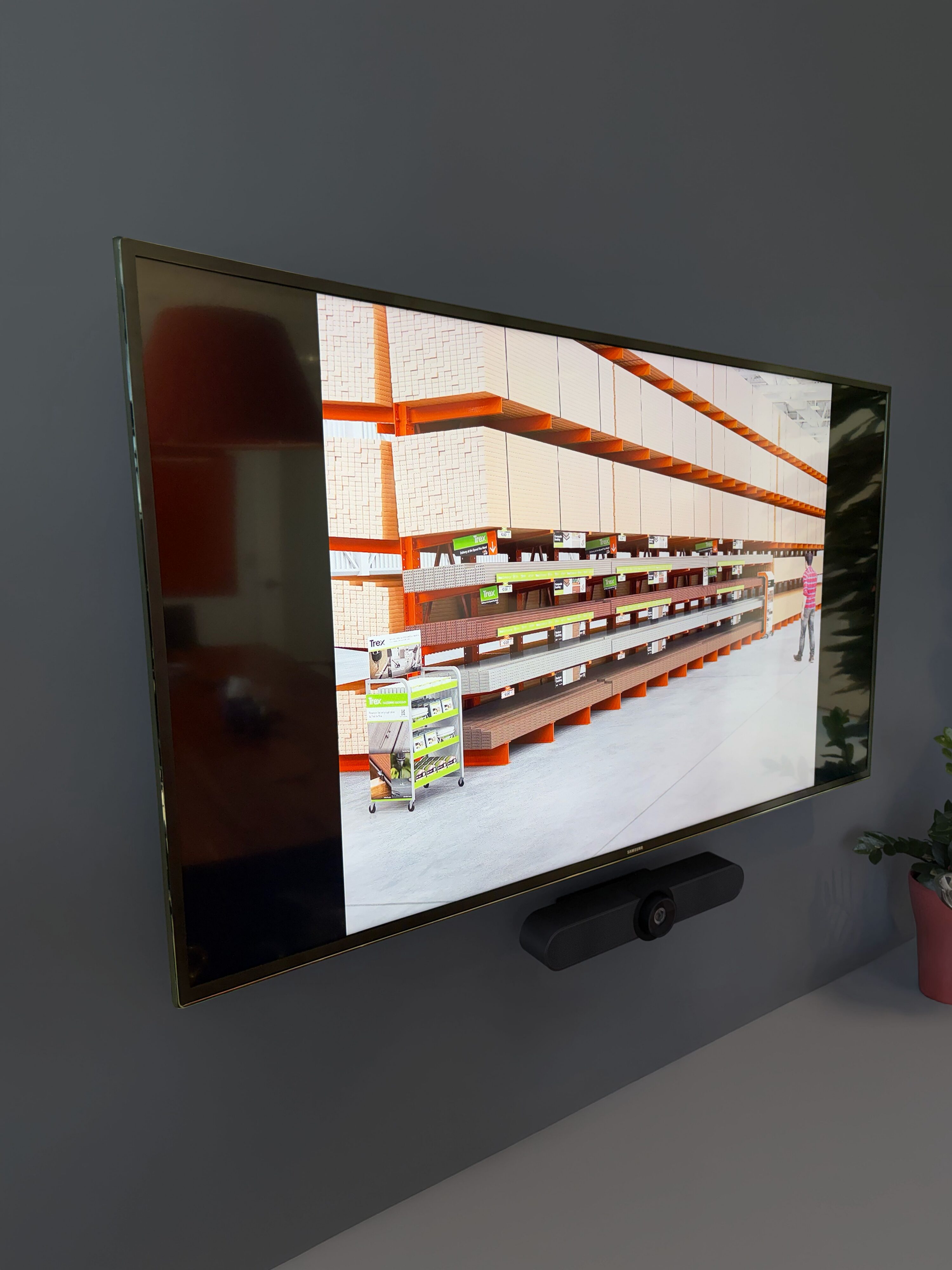
A PLR is one of the most important moments in the retail calendar for a brand. This is when a retailer evaluates a full category and decides which products stay, which leave and which new products are introduced. Winning a PLR can mean gaining new shelf space or expanding distribution across thousands of stores. Losing one can mean losing that space just as quickly.
Preparation is everything. Merchants expect a strong story, strong data and a clear understanding of the category. If you want a deeper look at how the process works, our article The Ultimate Guide to a Product Line Review (PLR) breaks down what retailers expect, and how brands can prepare.
3. POP: Point-of-Purchase
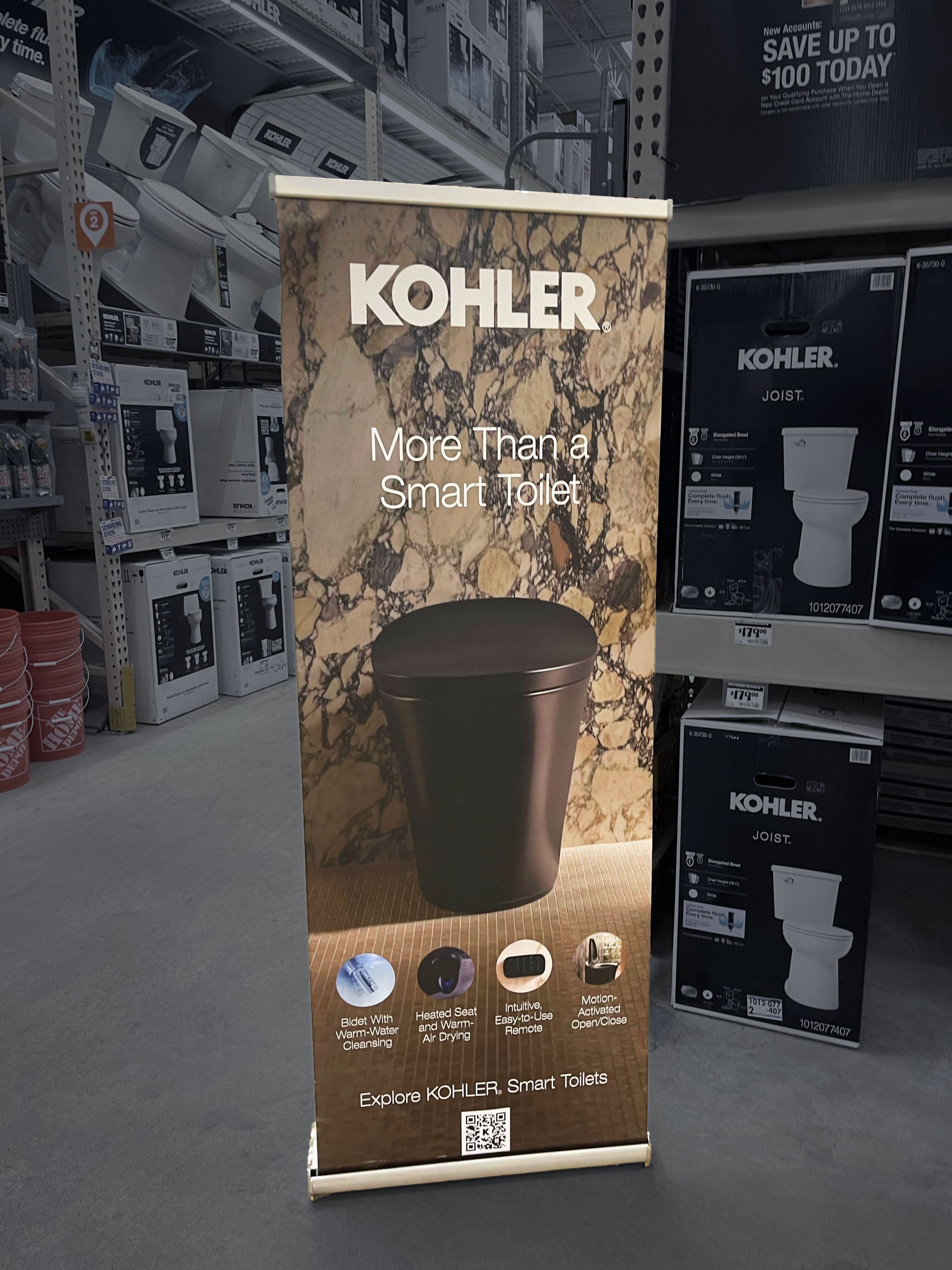
POP refers to signage or displays that communicate directly with the shopper at the moment of decision. Examples include shelf talkers, educational signage, feature displays, and messaging that highlight benefits or promotions. In home improvement retail, POP is especially important because many projects require explanation or comparison.
A good POP display answers the shopper’s key questions quickly and reinforces the same messaging used on packaging. If you are thinking about POP design, many of the same principles we outline in our product packaging best practices guide apply here as well since packaging and POP should work together to tell the same story in the aisle.
4. QP: Quarter Pallet
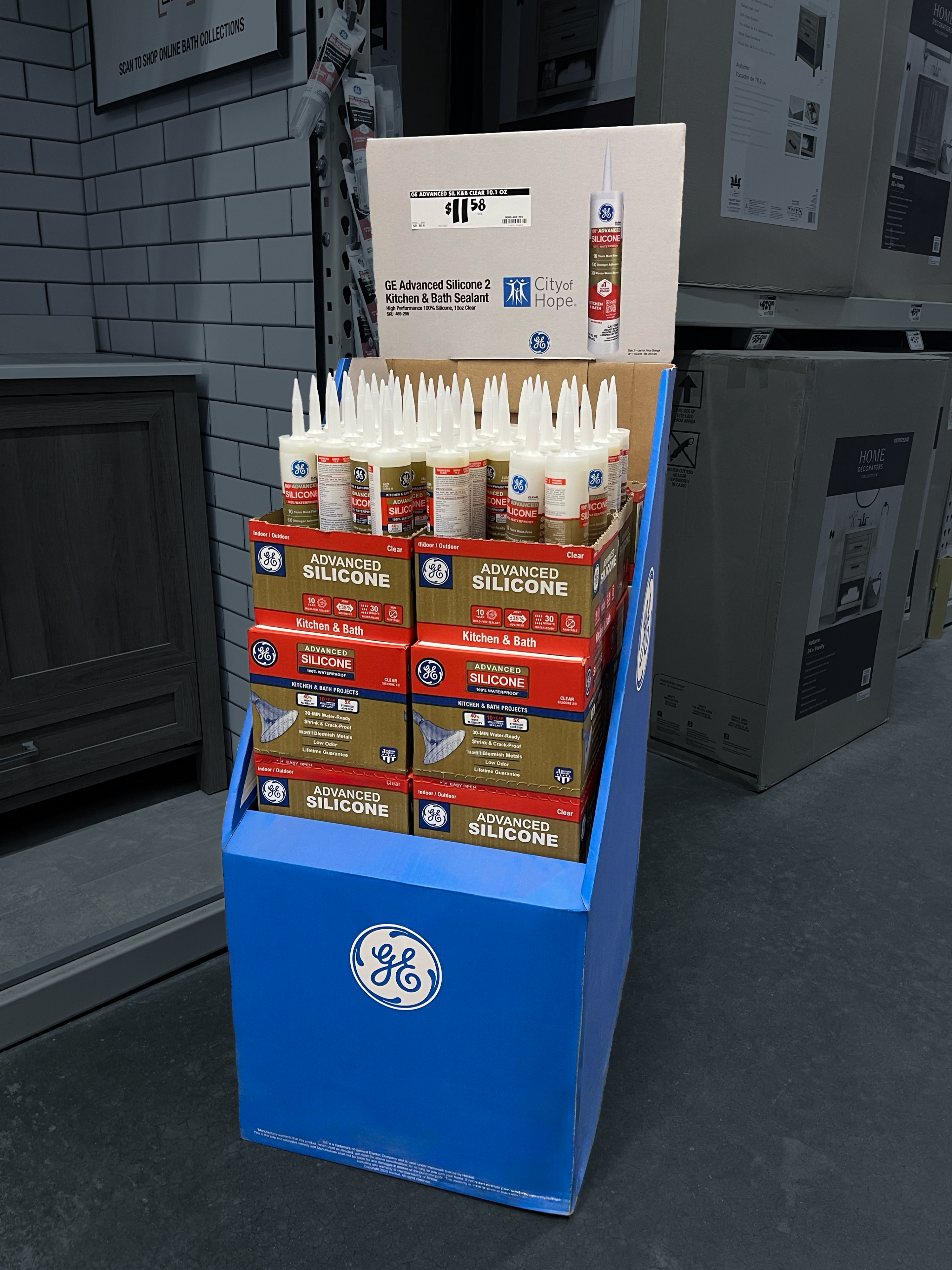
A QP is a retail display that sits on a quarter pallet footprint. These are commonly used for seasonal promotions, product launches or special buys. In the home improvement world, QPs are popular because they can ship fully assembled and be dropped directly onto the floor. They allow brands to introduce new items without displacing existing shelf space.
A successful QP program can generate millions in incremental sales. In fact, we recently covered best practices for winning with seasonal quarter pallet displays, and how brands can use them to drive incremental retail growth.
5. Sidecap
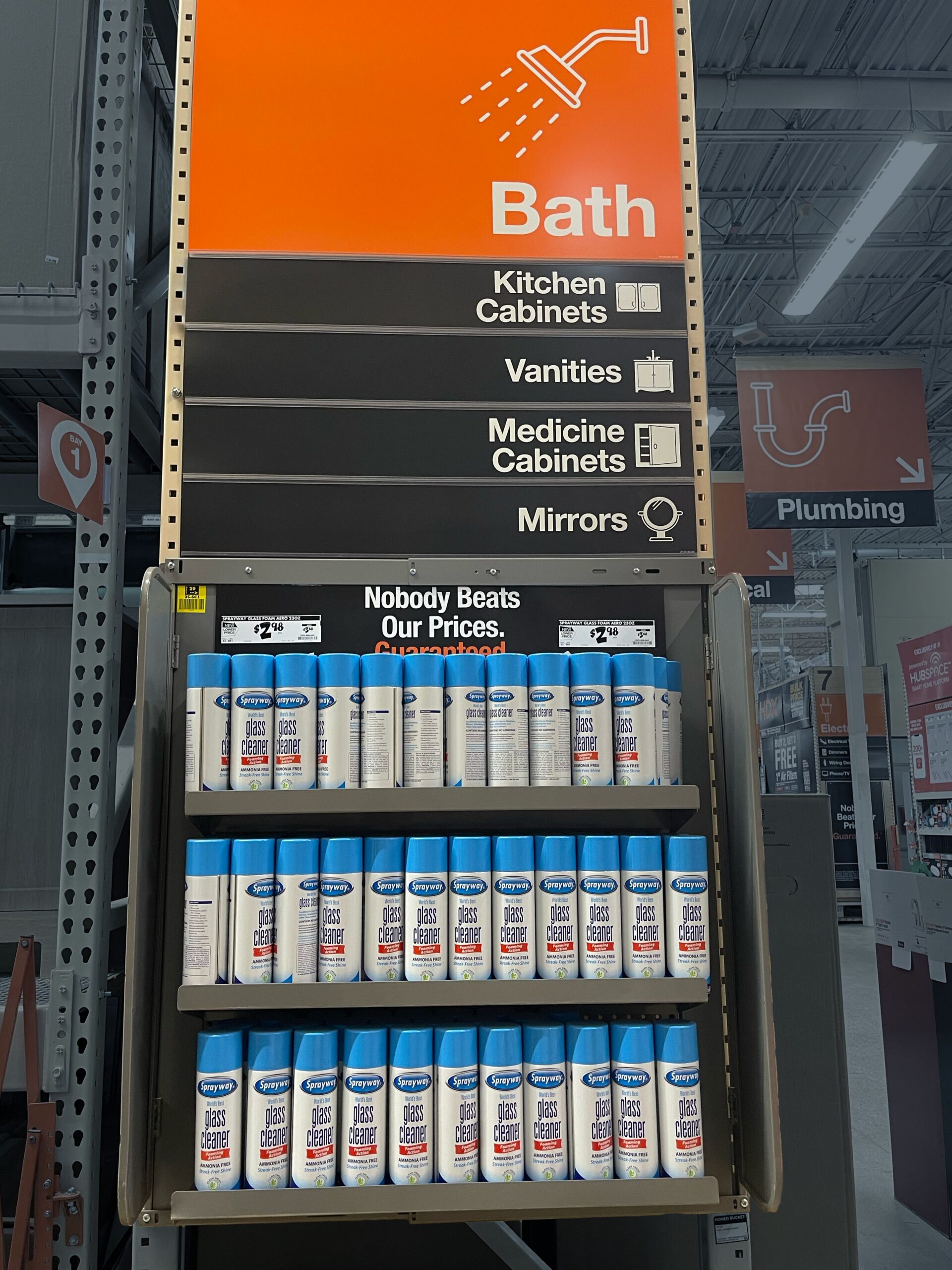
Sidecaps are displays located at the end of a shelving run but within the aisle rather than on the main endcap. They are high-visibility locations that capture shopper attention as customers move through the aisle. Brands often use sidecaps to highlight complementary products or to feature promotional items. Because they sit at eye level, they are valuable merchandising real estate.
6. Clipstrip

Clipstrips are simple vertical displays attached to the side of a shelving unit or structural column. They are designed to capture impulse purchases and are often used for smaller products or add-on items such as accessories, consumables or items tied to a specific project. A well-placed clipstrip can significantly increase attachment sales by presenting solutions exactly where the shopper needs them.
7. POG: Planogram
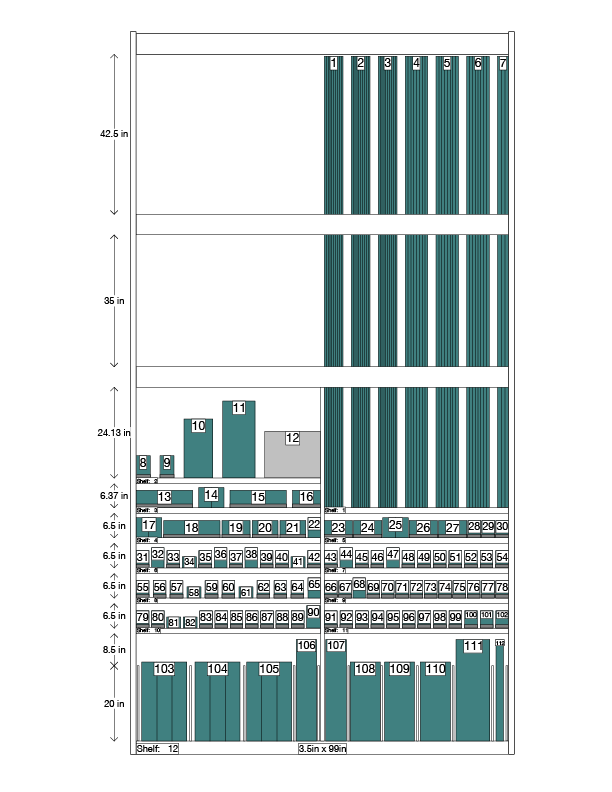
A planogram is the blueprint for how products should be arranged on the shelf. It determines placement, spacing and quantity for every SKU in the aisle. Retailers rely on planograms to keep stores consistent across thousands of locations. For brands, understanding the POG helps ensure products are positioned correctly and remain compliant with retailer standards.
Strong packaging and clear shelf communication play an important role here since the product must compete visually within the constraints of the planogram.
8. Channel Signs
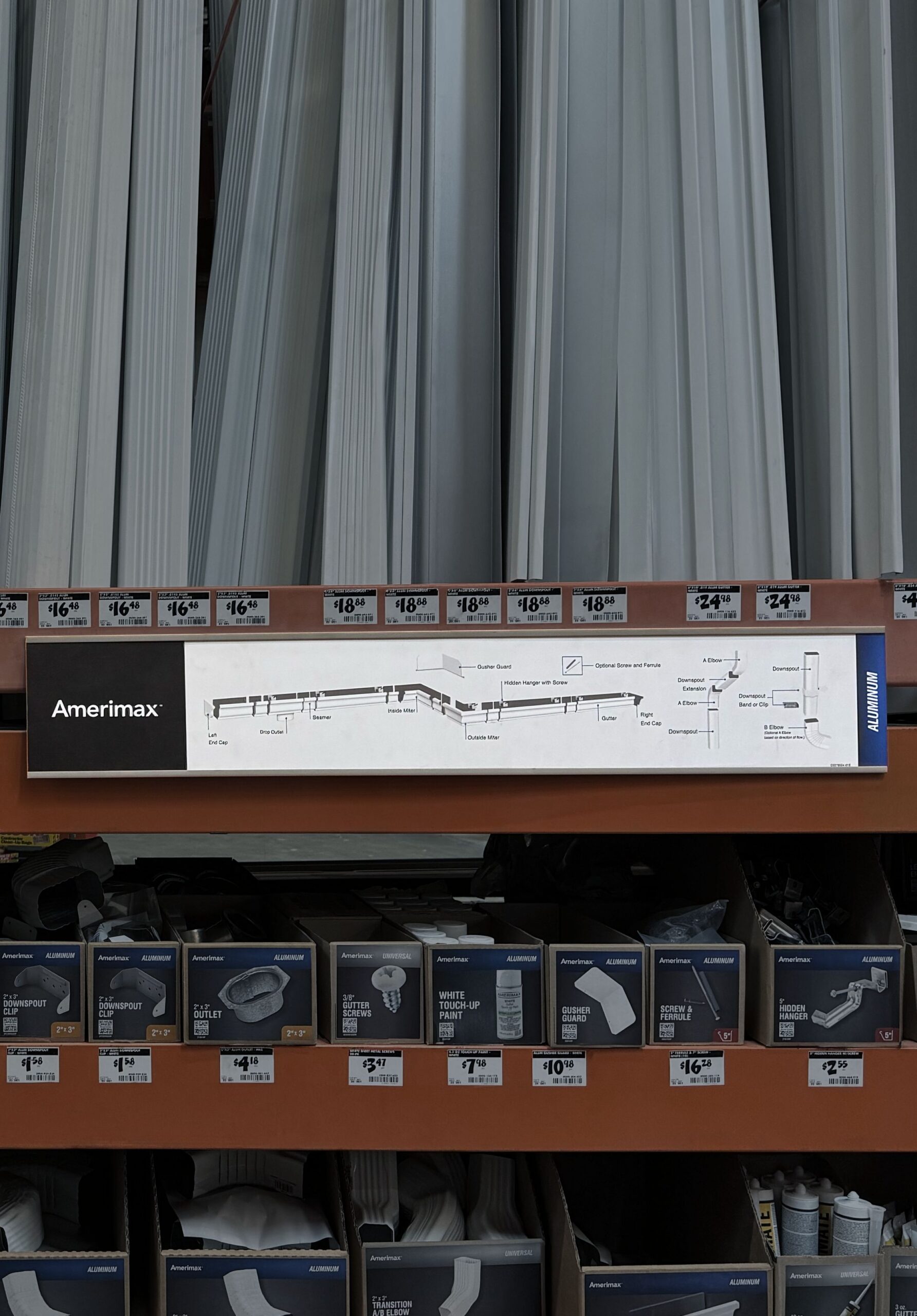
Channel signs are instructional or educational signs placed within the bay to help shoppers make better product decisions. Unlike promotional signage, channel signs are not SKU-specific. Instead, they provide category-level guidance such as how to choose between products, compare features or understand how a product is used.
In home improvement retail, these signs are often inserted into hardware on the shelf beam and positioned within the shopper’s line of sight. Their role is to educate, guide selection and inspire project solutions, especially in categories where shoppers may be comparing multiple options. Because they sit directly in the aisle and often within the shopper’s strike zone, channel signs help simplify complex categories and improve the overall shopping experience.
9. Aisle Violator
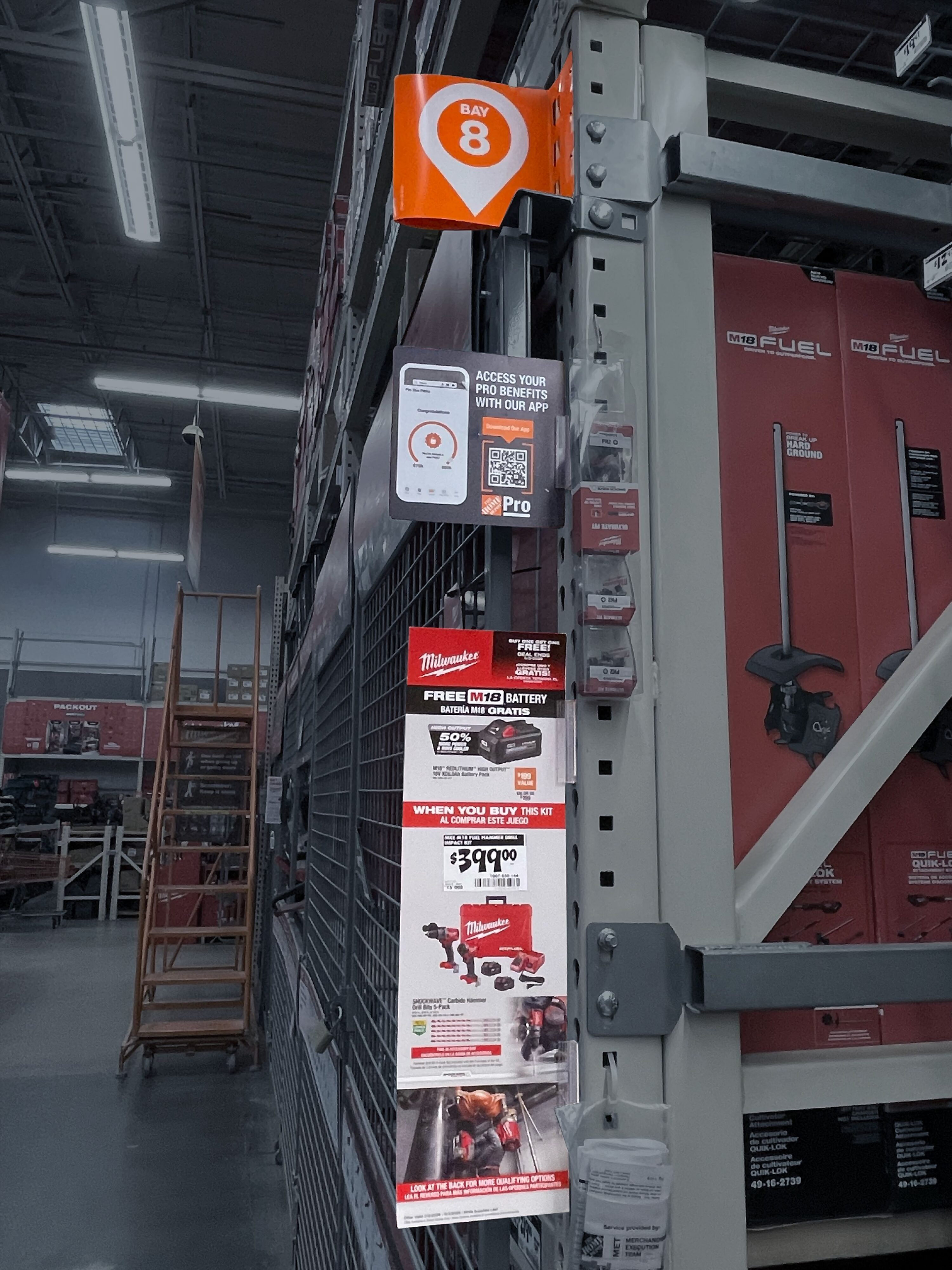
Despite the name, aisle violators are not a problem. They are small signs or graphics that extend into the aisle from the shelf. Their job is simple: break through visual clutter and grab the shopper’s attention. They often highlight promotions, new products or key benefits. Used well, they can dramatically increase product visibility, especially in crowded categories where dozens of SKUs compete for attention.
10. PDQ: Product Displayed Quickly

A PDQ is a retail-ready tray that ships with product inside and can be placed directly onto a shelf or display. These trays save store associates time by eliminating the need to stock items individually. They also give brands a mini billboard that helps the product stand out in a crowded aisle.
When designed well, PDQs combine packaging, merchandising and logistics into one efficient system. If you want to learn more about structure and design strategy, we recently shared a deeper dive into how PDQ displays capture attention in retail.
Porchlight’s Perspective
Retail acronyms may sound like insider language, but they represent the everyday tools used to move products from warehouse to shelf to shopper. For brands working with major home improvement retailers like The Home Depot and Lowe’s, understanding this language is more than helpful – it’s essential.
When teams understand the mechanics behind PIPs, PLRs, POGs and PDQs, they are better equipped to design packaging, displays and digital content that actually perform in the retail environment. And if you already knew all 10 acronyms without looking them up, well…IYKYK.